Maize Starch Supplier, Exporter & Global Wholesaler
PAU Chemicals is an India-based global supplier and exporter of Maize Starch in food, pharmaceutical and industrial grades, for food processors, tablet manufacturers, textile mills and paper makers.
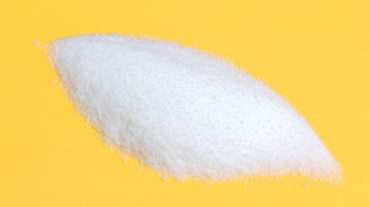
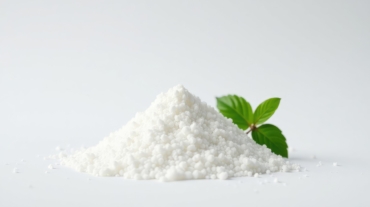
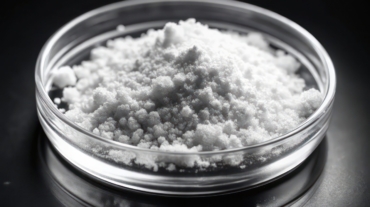
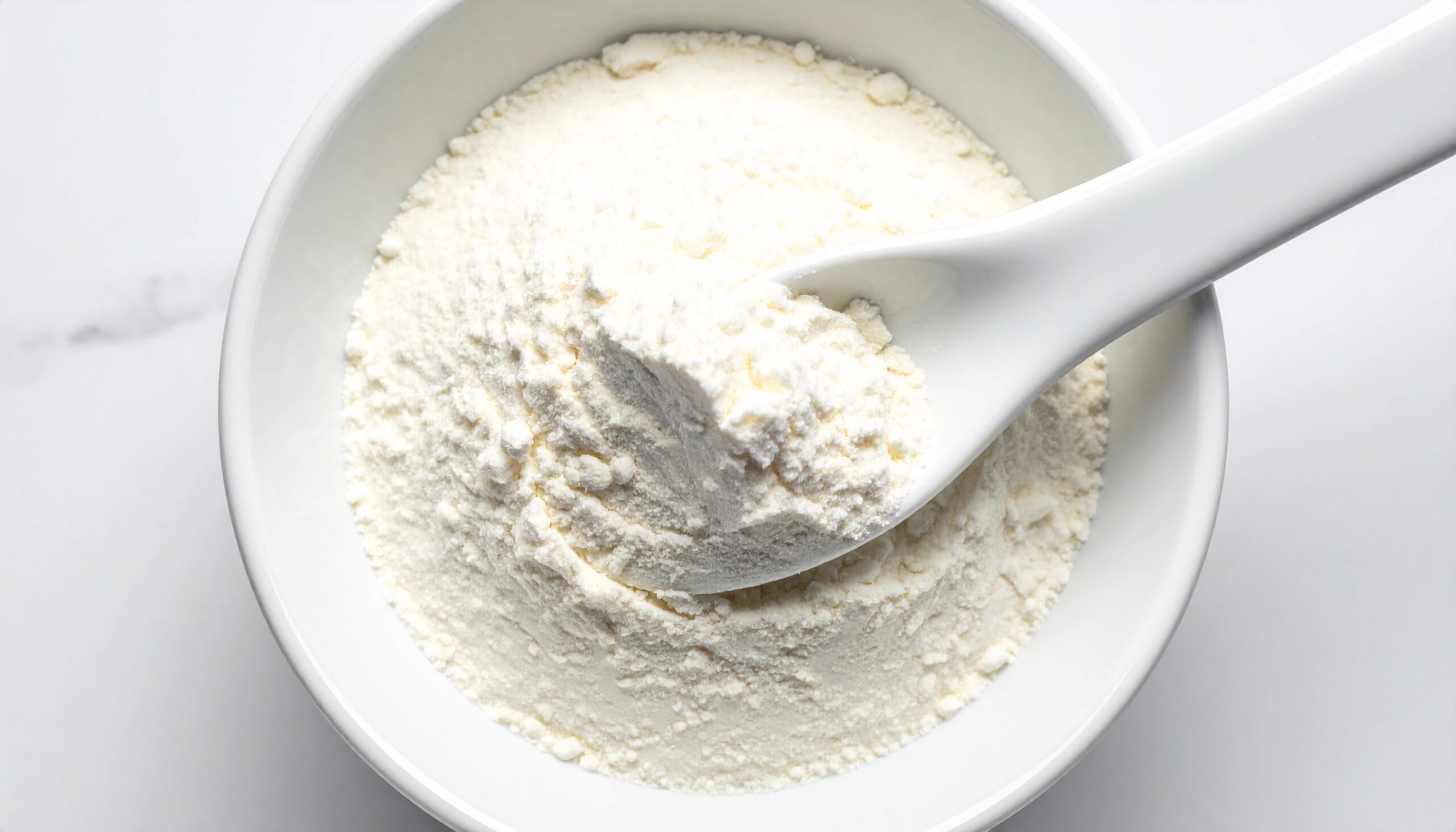
Maize Starch is the most widely traded native starch in the world — a fine white powder that thickens on heating, binds under compression and absorbs moisture. Those three properties explain almost every application it has.
PAU Chemicals supplies food, IP/BP/USP and industrial grades with moisture, pH and ash documented per batch, packed in lined bags to protect against moisture pickup in transit.
Native maize starch loses viscosity in acidic or high-shear systems and weeps water on freeze-thaw. If your sauce thins in the retort or separates after freezing, you need a modified starch, not more native starch.
Technical Specifications
Product Characteristics | Product Details |
Product Name | Maize Starch (Corn Starch) |
CAS Number | 9005-25-8 |
HS Code | 1108 12 00 |
Appearance | Fine white powder |
Odour | Odourless |
Taste | Bland |
Starch Content (dry basis) | 98.0% min |
Moisture | 13.0% max |
Ash (dry basis) | 0.2% max |
Protein (dry basis) | 0.35% max |
Fat | 0.15% max |
pH (10% slurry) | 4.5 – 7.0 |
Whiteness | 90% min |
Sulphur Dioxide | 50 ppm max |
Gelatinisation Temperature | 62 – 72 °C |
Particle Size | Through 100 mesh |
Heavy Metals (as Pb) | 2 ppm max |
Storage | Sealed, cool, dry |
Reference Standard | IS 1005 / IP / BP / USP-NF |
Available Grades
Food grade
Pharmaceutical grade (IP/BP/USP)
Industrial grade
Export Details
Minimum Order Quantity: 1 FCL
Country of Origin: India
Mode of Transportation: By Sea
Loading Ports: Hazira (Surat, Gujarat) & Nhava Sheva / JNPT (Navi Mumbai)
Shipping: FCL
Incoterms: EXW, FOB, C&F (CFR) & CIF
Payment Terms: TT / Bank Transfer & LC at Sight
Delivery Time: 3 to 4 weeks
Logistics Packaging: 25/50 kg multi-wall paper or HDPE bags with liner, or 1,000 kg jumbo bags
Dangerous Goods: Not classified as dangerous goods for transport
Documentation: Invoice, Packing List, Bill of Lading, COA, MSDS & Certificate of Origin
Certifications



Industrial Applications
Soups, sauces and gravy thickening
Custards, puddings and dessert mixes
Bakery, biscuits and confectionery
Meat and sausage binding and extension
Noodles, pasta and instant foods
Baby food and cereal manufacture
Pharmaceutical tablet binder, filler and disintegrant
Dusting powder and glove manufacture
Paper sizing, coating and surface treatment
Textile warp sizing and finishing
Corrugated board and industrial adhesives
Fermentation and biotechnology feedstock
Why Choose PAU Chemicals
Genuine Direct Supply — straight to the importer with no hidden intermediaries
Ethical Sourcing — ensuring 100% transparent and compliant procurement
Stable, Consistent Quality — for uninterrupted production and reliable 98.0% minimum purity
Competitive Pricing — offering strong commercial value for bulk FCL buyers
Flawless Documentation — handling all trade paperwork for smooth port clearance
Preferential Tariff Support — leveraging trade agreements to reduce your import duties
What is Maize Starch, and what is it called locally?
It is native starch extracted from maize, called corn starch in many markets and simply maize starch or cornflour in Indian trade.
What is it used for?
Thickening soups, sauces and desserts, binding in meat products, tablet manufacture in pharmaceuticals, paper sizing, textile warp sizing and industrial adhesives.
What is the difference between native and modified starch?
Native starch is unmodified. Modified starches are chemically or physically treated to survive acid, heat, shear and freeze-thaw, which native starch does not handle well.
Why does my sauce thin out during retorting?
Native starch loses viscosity under prolonged heat, acid and shear. A modified starch designed for retort conditions is the solution rather than a higher native dose.
Do you supply pharmaceutical grade?
Yes, to IP, BP and USP for tablet binding and dusting applications, documented separately from food and industrial grades.
How should it be stored, and what is the shelf life?
In sealed, lined bags in a cool, dry place away from strong odours. Starch absorbs both moisture and odour readily.
What packing sizes and minimum order quantity do you offer?
25/50 kg lined bags and 1,000 kg jumbo bags. Export MOQ is 1 FCL.
Which ports and Incoterms do you ship on, and how long does delivery take?
Hazira and Nhava Sheva on EXW, FOB, C&F and CIF terms, typically 3 to 4 weeks, shipping as general cargo. Export MOQ is 1 FCL.
Frequently Asked Questions
Product Inquiry