Sodium Lauryl Ether Sulphate (SLES 70%) Supplier, Exporter & Global Wholesaler
PAU Chemicals is an India-based global supplier and exporter of Sodium Lauryl Ether Sulphate (SLES 70%), the primary anionic surfactant in shampoos, body washes and dishwash liquids worldwide.
SLES 70% is the backbone of the personal care and household cleaning industries — a high-active anionic surfactant delivering strong foam, reliable detergency and salt-responsive thickening at a cost no alternative has matched.
PAU Chemicals supplies 68–72% active material with controlled unsulphated matter, sodium sulphate and 1,4-dioxane, packed in drums and IBCs suited to a viscous, gel-phase product.
SLES 70% forms a stiff gel phase when diluted carelessly. Always dilute by adding the SLES to water under agitation, not water to SLES — the reverse route creates a gel that takes hours to break.
Technical Specifications
Product Characteristics | Product Details |
Product Name | Sodium Lauryl Ether Sulphate (SLES 70%) |
INCI Name | Sodium Laureth Sulfate |
CAS Number | 68585-34-2 |
HS Code | 3402 11 10 |
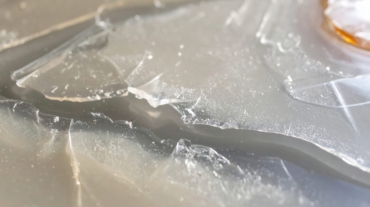
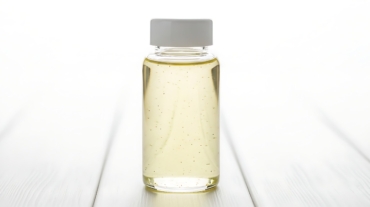
Appearance | White to pale yellow viscous paste or gel |
Odour | Characteristic, mild |
Active Matter | 68.0 – 72.0% |
Unsulphated Matter | 2.0% max |
Sodium Sulphate | 1.5% max |
Sodium Chloride | 1.0% max |
Moles of Ethoxylation | 2 EO (standard) |
1,4-Dioxane | Within permitted limit, reported per batch |
pH (10% solution) | 7.0 – 9.5 |
Colour (Klett, 5% solution) | 20 max |
Ionic Nature | Anionic |
Biodegradability | Readily biodegradable |
Storage | Cool, dry, 15–35 °C |
Shelf Life | 6 months in sealed packing |
Available Grades
SLES 70% (2 EO)
SLES 28% liquid on request
3 EO grade on request
Export Details
Minimum Order Quantity: 1 FCL
Country of Origin: India
Mode of Transportation: By Sea
Loading Ports: Hazira (Surat, Gujarat) & Nhava Sheva / JNPT (Navi Mumbai)
Shipping: FCL
Incoterms: EXW, FOB, C&F (CFR) & CIF
Payment Terms: TT / Bank Transfer & LC at Sight
Delivery Time: 3 to 4 weeks
Logistics Packaging: 220/230 kg HDPE drums or 1,000–1,200 kg IBC
Dangerous Goods: Not classified as dangerous goods for transport
Documentation: Invoice, Packing List, Bill of Lading, COA, MSDS & Certificate of Origin
Certifications

Applications
Shampoos and hair cleansers
Body wash, shower gel and bubble bath
Liquid hand wash and facial cleansers
Dishwash and hand dishwashing liquids
Laundry liquids and fabric care
Car wash and foam cleaning concentrates
Industrial and institutional cleaners
Textile wetting and scouring agents
Emulsion polymerisation
Toothpaste foaming agent (grade dependent)
Why Choose PAU Chemicals
Genuine Direct Supply — straight to the importer with no hidden intermediaries
Ethical Sourcing — ensuring 100% transparent and compliant procurement
Stable, Consistent Quality — for uninterrupted production and reliable 68–72% active matter
Competitive Pricing — offering strong commercial value for bulk FCL buyers
Flawless Documentation — handling all trade paperwork for smooth port clearance
Preferential Tariff Support — leveraging trade agreements to reduce your import duties
What is SLES, and what is it called locally?
It is Sodium Lauryl Ether Sulphate, INCI name sodium laureth sulfate. The trade calls it SLES 70 or simply SLES, with 70% being the standard high-active grade.
What is it used for?
Shampoos, body wash, hand wash, dishwash and laundry liquids, car wash concentrates and industrial cleaners — as the primary foaming and cleaning surfactant.
How is it different from SLS?
SLES is ethoxylated, which makes it milder and more soluble than SLS while foaming comparably. SLS is harsher on skin and more prone to precipitating in hard water.
How do I dilute it without forming a gel?
Add SLES to water under agitation, never water to SLES. Adding water to the concentrate creates a stiff gel phase that can take hours to break down.
How do I thicken a formulation made with it?
Salt is the usual route, but response depends on the SLES–CAPB ratio. If salt alone will not build viscosity, adjust the co-surfactant level before adding more salt.
What about 1,4-dioxane?
It is a trace by-product of ethoxylation and is controlled during manufacture. We report it on the batch COA, since several markets set limits on it in finished cosmetic products.
How should it be stored, and what is the shelf life?
Sealed drums at 15–35 °C. It thickens in cold storage and separates if frozen. Around 6 months — shorter than most surfactants, so rotate stock.
Which ports and Incoterms do you ship on, and how long does delivery take?
Hazira and Nhava Sheva on EXW, FOB, C&F and CIF terms, typically 3 to 4 weeks, shipping as general cargo. Export MOQ is 1 FCL.
Frequently Asked Questions
Product Inquiry