
Propylene Glycol Supplier, Exporter & Global Wholesaler
PAU Chemicals is an India-based global supplier and exporter of Propylene Glycol in USP, BP, IP and industrial grades, for pharmaceutical, food, cosmetic and industrial buyers worldwide.
Propylene Glycol is the general-purpose glycol of the regulated industries — a clear, hygroscopic liquid that dissolves what water cannot, holds moisture, depresses freezing point and carries flavours and actives.
PAU Chemicals supplies USP, BP and IP grades for antifreeze, coolants and unsaturated polyester resin manufacture.
Never substitute industrial MPG for USP grade in food, pharma or vape applications. The specifications differ on exactly the impurities that matter for ingestion and inhalation, and the two are visually identical.
Technical Specifications
Product Characteristics | Product Details |
Product Name | Propylene Glycol |
Chemical Formula | C₃H₈O₂ |
CAS Number | 57-55-6 |
HS Code | 2905 32 00 |
E / INS Number | E1520 |
Molecular Weight | 76.09 g/mol |
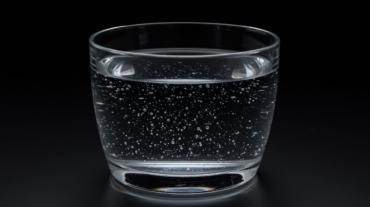
Appearance | Clear, colourless viscous liquid |
Odour | Odourless |
Taste | Slightly sweet |
Assay | 99.5% min |
Water Content | 0.2% max |
Colour (APHA) | 10 max |
Specific Gravity @ 25 °C | 1.035 – 1.037 |
Refractive Index @ 20 °C | 1.431 – 1.433 |
Boiling Point | 187 °C |
Acidity (as acetic acid) | 0.005% max |
Residue on Ignition | 0.007% max |
Heavy Metals (as Pb) | 5 ppm max |
Diethylene Glycol & Ethylene Glycol | Complies with monograph (USP grades) |
Solubility | Miscible with water and alcohol |
Storage | Sealed, cool, dry |
Reference Standard | USP / BP / IP / FCC |
Available Grades
USP / BP / IP grade
Export Details
Minimum Order Quantity: 1 FCL
Country of Origin: India
Mode of Transportation: By Sea
Loading Ports: Hazira (Surat, Gujarat) & Nhava Sheva / JNPT (Navi Mumbai)
Shipping: FCL
Incoterms: EXW, FOB, C&F (CFR) & CIF
Payment Terms: TT / Bank Transfer & LC at Sight
Delivery Time: 3 to 4 weeks
Logistics Packaging: 215 kg HDPE or MS drums, 1,000 kg IBC, or ISO tank for bulk
Dangerous Goods: Not classified as dangerous goods for transport
Documentation: Invoice, Packing List, Bill of Lading, COA, MSDS & Certificate of Origin
Certifications



Industrial & Technical Applications
Pharmaceutical syrups, injectables and topicals
Cosmetics, deodorants and skin care
Antifreeze and heat transfer fluids (industrial grade)
Humectant in bakery and confectionery
Unsaturated polyester resins
Hydraulic and brake fluid formulations
Paints, coatings and printing inks
Tobacco and e-liquid humectant
Animal feed and veterinary formulations
Why Choose PAU Chemicals
Genuine Direct Supply — straight to the importer with no hidden intermediaries
Ethical Sourcing — ensuring 100% transparent and compliant procurement
Stable, Consistent Quality — for uninterrupted production and reliable 99.5% minimum purity
Competitive Pricing — offering strong commercial value for bulk FCL buyers
Flawless Documentation — handling all trade paperwork for smooth port clearance
Preferential Tariff Support — leveraging trade agreements to reduce your import duties
What is Propylene Glycol, and what is it called locally?
It is monopropylene glycol, called PG, MPG or propylene glycol. Food and pharmacopoeial grades are distinguished from industrial MPG by specification, not appearance.
What is it used for?
Pharmaceutical syrups and topicals, flavour and colour carriers, cosmetics, humectants in food, antifreeze and heat transfer fluids, and polyester resin manufacture.
What is the difference between USP grade and industrial MPG?
They differ on the impurities that matter for ingestion and inhalation, including glycol limit testing. Industrial grade must never be used in food, pharmaceutical or inhalation applications.
How does it differ from ethylene glycol?
Propylene glycol has a far lower toxicity profile, which is why it is permitted in food and pharmaceuticals. Ethylene glycol is toxic and restricted to industrial use — the two must never be confused.
Is it safe in food?
Food-grade material is permitted as E1520 in many markets, subject to category limits. Confirm the position in your destination market before formulating.
Do you supply pharmacopoeial grade?
Yes, to USP, BP and IP with the corresponding monograph testing, documented separately from industrial grade.
How should it be stored, and what is the shelf life?
Sealed containers in a cool, dry place. It is hygroscopic and absorbs atmospheric moisture, which lowers assay — keep drums closed between uses.
Which ports and Incoterms do you ship on, and how long does delivery take?
Hazira and Nhava Sheva on EXW, FOB, C&F and CIF terms, typically 3 to 4 weeks, shipping as general cargo. Export MOQ is 1 FCL.
Frequently Asked Questions
Product Inquiry