Phosphoric Acid 85% Food Grade Supplier, Exporter & Global Wholesaler
Searching for a dependable Food Grade Phosphoric Acid supplier or exporter? You are exactly where you need to be.
PAU Chemicals is an India-based global supplier and exporter of Food Grade Phosphoric Acid 85% (E338), for beverage, brewing and food processing manufacturers worldwide.
Phosphoric Acid 85% is the acidulant behind the cola category. It provides a sharper, drier tartness than citric acid, holds pH low enough for microbial stability, and contributes the characteristic bite that defines the flavour profile.
PAU Chemicals supplies FCC and E338 compliant material with heavy metals, fluoride and arsenic documented per batch — the parameters that separate food grade from technical and fertiliser grades.
Never accept technical or fertilizer-grade phosphoric acid for food use, whatever the price difference. Those grades carry heavy metals, fluoride and arsenic well above food limits, and the visual appearance is identical.
Technical Specifications
|
Product Characteristics |
Product Details |
|
Product Name |
Phosphoric Acid, Food Grade |
|
Chemical Formula |
H₃PO₄ |
|
CAS Number |
7664-38-2 |
|
HS Code |
2809 20 10 |
|
E / INS Number |
E338 |
|
Appearance |
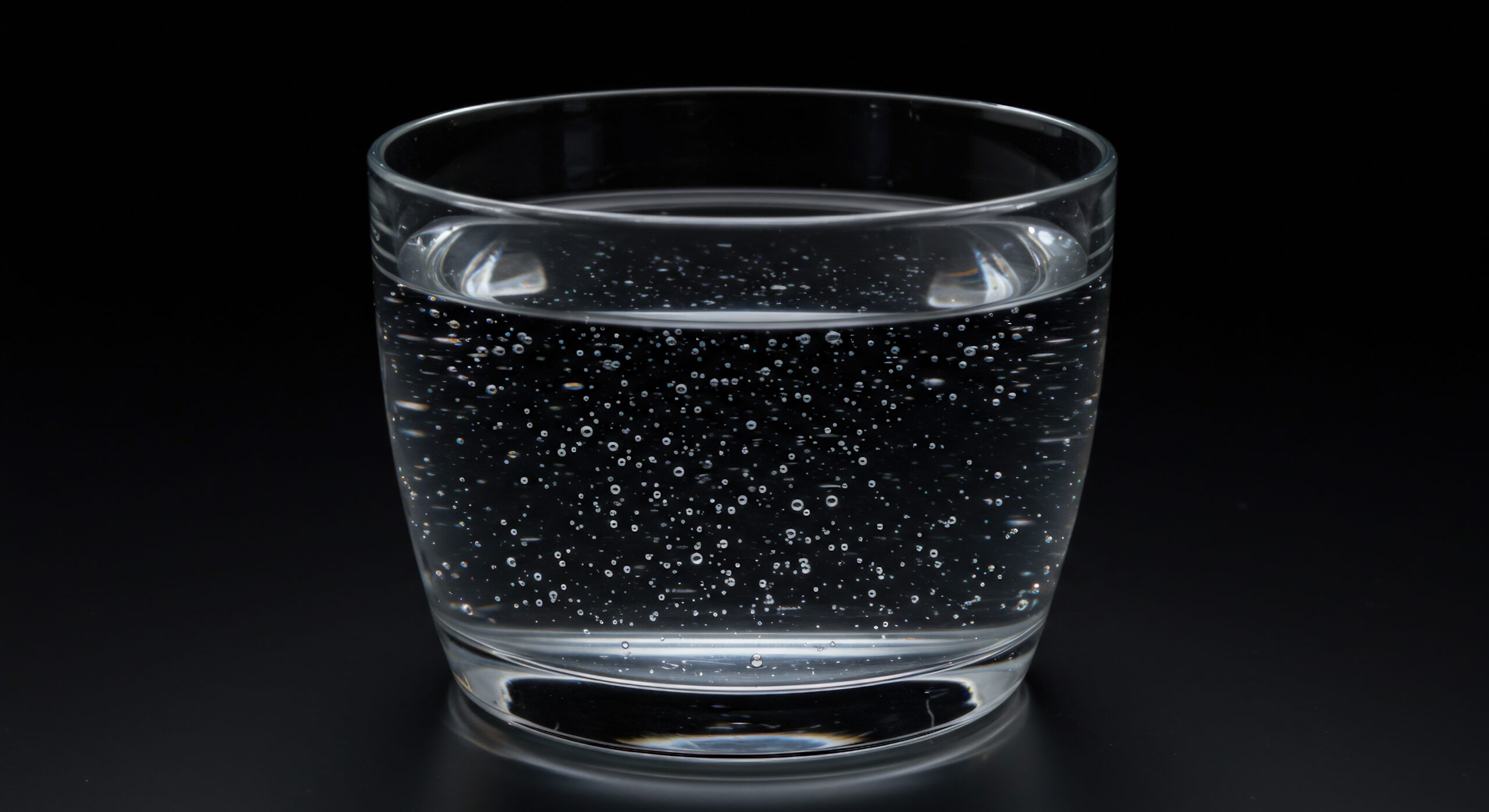
Clear, colourless to pale straw viscous liquid |
|
Odour |
Odourless |
|
Assay (as H₃PO₄) |
85.0% min |
|
Colour (APHA) |
20 max |
|
Chloride |
5 ppm max |
|
Sulphate |
100 ppm max |
|
Iron (Fe) |
10 ppm max |
|
Heavy Metals (as Pb) |
5 ppm max |
|
Lead (Pb) |
1 ppm max |
|
Arsenic (As) |
1 ppm max |
|
Fluoride |
10 ppm max |
|
Specific Gravity @ 25 °C |
1.68 – 1.71 |
|
Volatile Acids (as acetic) |
10 ppm max |
|
Storage |
Sealed, above 10 °C, HDPE or SS 316 |
|
Reference Standard |
FCC / E338 |
Available Grades
-
85% food grade
-
75% food grade on request
-
Technical grade (non-food use)
Export Details
-
Minimum Order Quantity: 1 FCL
-
Country of Origin: India
-
Mode of Transportation: By Sea
-
Loading Ports: Hazira (Surat, Gujarat) & Nhava Sheva / JNPT (Navi Mumbai)
-
Shipping: FCL
-
Incoterms: EXW, FOB, C&F (CFR) & CIF
-
Payment Terms: TT / Bank Transfer & LC at Sight
-
Delivery Time: 3 to 4 weeks
-
Logistics Packaging: 35 kg HDPE carboys or 1,000 kg IBC
-
Dangerous Goods: UN 1805, Class 8, PG III — DG declaration, IMO labelling and UN-approved packing included
-
Documentation: Invoice, Packing List, Bill of Lading, COA, MSDS, Certificate of Origin & DG Declaration
Certifications





Food & Beverage Applications
-
Cola and carbonated soft drink acidulant
-
Brewing water treatment and mash acidification
-
Jams, jellies and processed foods
-
Cheese processing and dairy
-
Yeast nutrient in fermentation
-
Sugar refining and clarification
-
Meat and poultry processing (where permitted)
-
Antioxidant synergist in food systems
Industrial & Technical Applications
-
Metal surface treatment and rust conversion
-
Pharmaceutical and dental preparations
-
Water treatment and scale control
-
Detergent and cleaning formulations
Why Choose PAU Chemicals
-
Genuine Direct Supply — straight to the importer with no hidden intermediaries
-
Ethical Sourcing — ensuring 100% transparent and compliant procurement
-
Stable, Consistent Quality — for uninterrupted production and reliable 85.0% minimum purity
-
Competitive Pricing — offering strong commercial value for bulk FCL buyers
-
Flawless Documentation — handling all trade paperwork for smooth port clearance
-
Preferential Tariff Support — leveraging trade agreements to reduce your import duties
What is Phosphoric Acid, and what is it called locally?
It is orthophosphoric acid at 85% concentration, called phosphoric acid or simply cola acid in the beverage trade. It is listed as E338.
What is it used for?
Acidifying cola and soft drinks, brewing water treatment, cheese and dairy processing, sugar refining, and in non-food use for metal treatment and cleaning.
How does it differ from citric acid as an acidulant?
Phosphoric acid gives a sharper, drier tartness and holds a lower pH at similar dosage. Citric acid gives a rounder, fruitier sourness. Cola formulations rely specifically on the phosphoric profile.
What is the difference between food and technical grade?
Food grade meets FCC limits on heavy metals, fluoride and arsenic. Technical and fertiliser grades carry these well above food limits and are visually identical — they must never be used in food.
Is it hazardous to handle?
Yes. It is corrosive (UN 1805, Class 8) and causes burns to skin and eyes. Use goggles, gloves and an apron, and add acid to water when diluting, never the reverse.
How should it be stored, and what is the shelf life?
In sealed HDPE or SS 316 containers above 10 °C. It crystallises in cold storage; gentle warming redissolves it with no loss of quality. Do not use mild steel.
What packing sizes and minimum order quantity do you offer?
35 kg carboys, 330 kg drums and 1,400 kg IBCs. Export MOQ is 1 FCL.
How is DG shipping handled, and does it affect delivery time?
It ships as UN 1805, Class 8, PG III. We arrange UN-approved packing, IMO labelling and the DG declaration as part of standard export handling.
Frequently Asked Questions
Product Inquiry