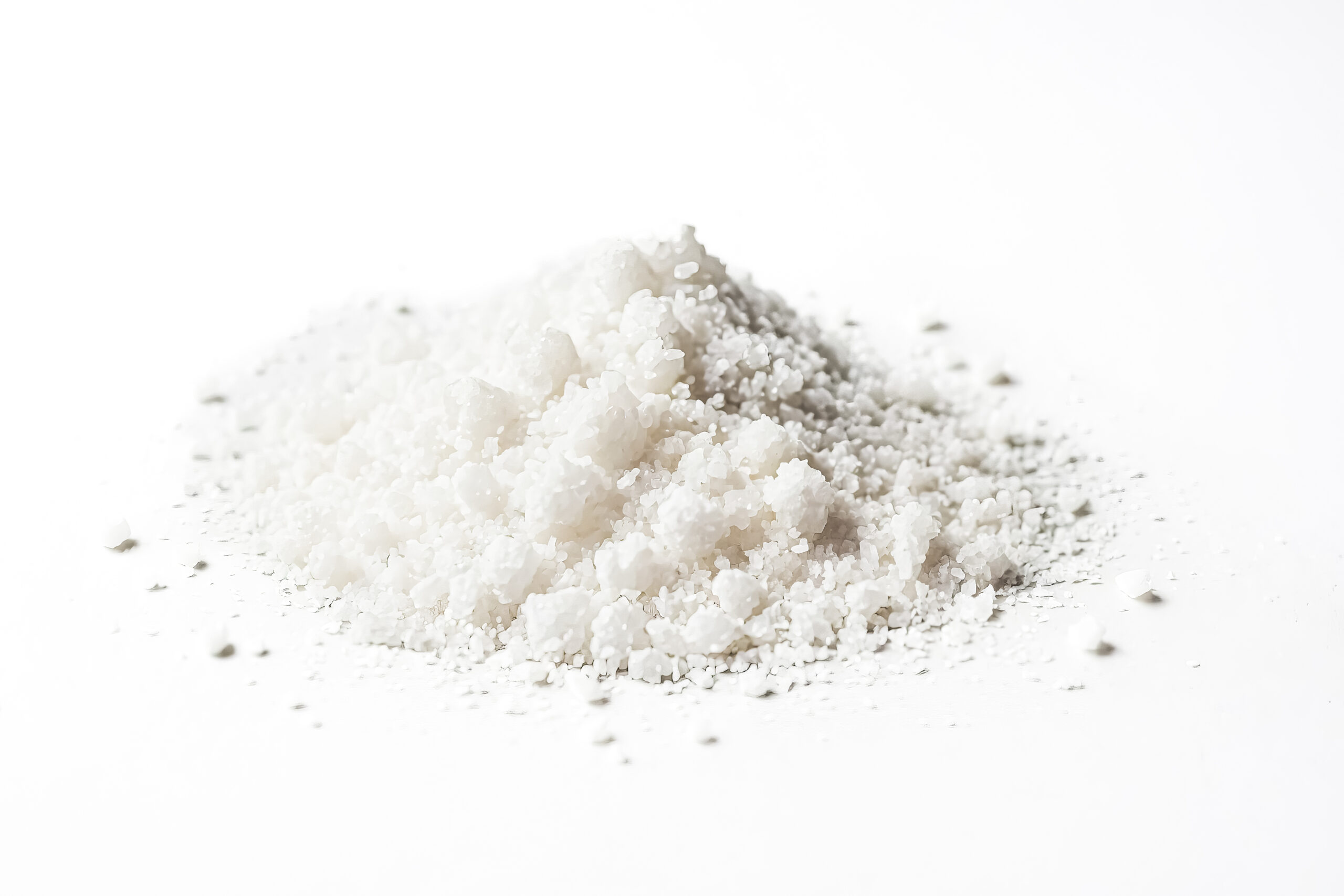
Caustic Soda Flakes Supplier, Exporter & Global Wholesaler
Searching for a dependable Caustic Soda Flakes supplier or exporter? You are exactly where you need to be.
PAU Chemicals is an India-based global supplier and exporter of Caustic Soda Flakes for soap, textile, paper, alumina and water treatment buyers worldwide.
Caustic Soda — sodium hydroxide — is one of the highest-volume industrial chemicals in world trade, used wherever a strong, economical alkali is required. Flakes are the most widely shipped solid form.
It is central to soap and detergent manufacture, textile mercerising, pulp and paper processing, alumina extraction and water treatment, and it is a base raw material for hundreds of downstream chemicals.
PAU Chemicals supplies 99.5% minimum flakes with low sodium carbonate and iron, packed in moisture-barrier bags so material arrives free-flowing rather than caked.
Dissolution is violently exothermic and can boil and spit. Always add flakes slowly to cold water with stirring — never water to flakes — and use a vessel that can take the heat rise.
Technical Specifications
Product Characteristics | Product Details |
Product Name | Caustic Soda Flakes |
Chemical Formula | NaOH |
CAS Number | 1310-73-2 |
HS Code | 2815 11 00 |
E / INS Number | E524 |
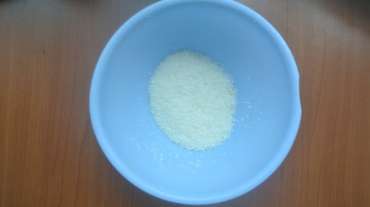
Appearance | White deliquescent flakes |
Odour | Odourless |
Purity as NaOH | 99.5% min dry basis |
Sodium Carbonate (Na₂CO₃) | 0.5% max |
Sodium Chloride (NaCl) | 0.1% max |
Iron (as Fe₂O₃) | 0.01% max |
Water Insoluble Matter | 0.05% max |
Solubility in Water | Freely soluble (strongly exothermic) |
Melting Point | 318 °C |
Storage | Sealed, dry, away from moisture and acids |
Reference Standard | IS 252 |
Available Grades
Flakes 99.5% min dry basis
Pearls / prills
Lye 47–50% (liquid)
Export Details
Minimum Order Quantity: 1 FCL
Country of Origin: India
Mode of Transportation: By Sea
Loading Ports: Hazira (Surat, Gujarat) & Nhava Sheva / JNPT (Navi Mumbai)
Shipping: FCL
Incoterms: EXW, FOB, C&F (CFR) & CIF
Payment Terms: TT / Bank Transfer & LC at Sight
Delivery Time: 3 to 4 weeks
Logistics Packaging: 25 kg HDPE/PP bags with LDPE liner, or 1,000 kg jumbo bags
Dangerous Goods: UN 1823, Class 8, PG II — DG declaration, IMO labelling and approved packing included
Documentation: Invoice, Packing List, Bill of Lading, COA, MSDS, Certificate of Origin & DG Declaration
Certifications





Industrial Applications
Soap and detergent manufacture
Textile mercerising, scouring and dyeing
Food plant CIP and equipment cleaning
Pulp, paper and viscose processing
Alumina extraction from bauxite
Water and effluent treatment, pH correction
Petroleum refining and drilling fluids
Aluminium etching and metal processing
Chemical intermediates and downstream sodium salts
Why Choose PAU Chemicals
Genuine Direct Supply — straight to the importer with no hidden intermediaries
Ethical Sourcing — ensuring 100% transparent and compliant procurement
Stable, Consistent Quality — for uninterrupted production and reliable 99.5% minimum purity
Competitive Pricing — offering strong commercial value for bulk FCL buyers
Flawless Documentation — handling all trade paperwork for smooth port clearance
Preferential Tariff Support — leveraging trade agreements to reduce your import duties
What is Caustic Soda, and what is it called locally?
It is sodium hydroxide, NaOH, universally called caustic soda or lye. Flakes are the standard traded solid form; it is also supplied as pearls and as 47–50% liquid lye.
What is it used for?
Soap and detergent manufacture, textile mercerising, pulp and paper, alumina extraction, water and effluent treatment, petroleum refining, metal processing and a wide range of chemical intermediates.
What is the difference between flakes, pearls and lye?
Chemically identical. Flakes and pearls are solid and cheaper to ship over distance; pearls flow and dose more easily. Lye is a ready-made solution that avoids dissolution handling but costs more to freight.
How should I dissolve it safely?
Add flakes slowly to cold water with stirring, never the reverse. The reaction is violently exothermic and can boil and spit, so use a heat-tolerant vessel and full PPE.
Is it hazardous to handle?
Yes. It is strongly corrosive (UN 1823, Class 8) and causes severe burns to skin and eyes. Use goggles or a face shield, gloves and an apron, and keep an eyewash station accessible.
How should it be stored, and what is the shelf life?
In sealed, moisture-barrier bags in a dry place away from acids. It is deliquescent and absorbs both moisture and carbon dioxide from the air, which causes caking and raises carbonate content.
What packing sizes and minimum order quantity do you offer?
25 kg lined bags and 1,000 kg jumbo bags. Export MOQ is 1 FCL.
Which ports and Incoterms do you ship on, and how long does delivery take?
We load from Hazira and Nhava Sheva on EXW, FOB, C&F and CIF terms, typically 3 to 4 weeks, with full DG documentation included.
Frequently Asked Questions
Product Inquiry