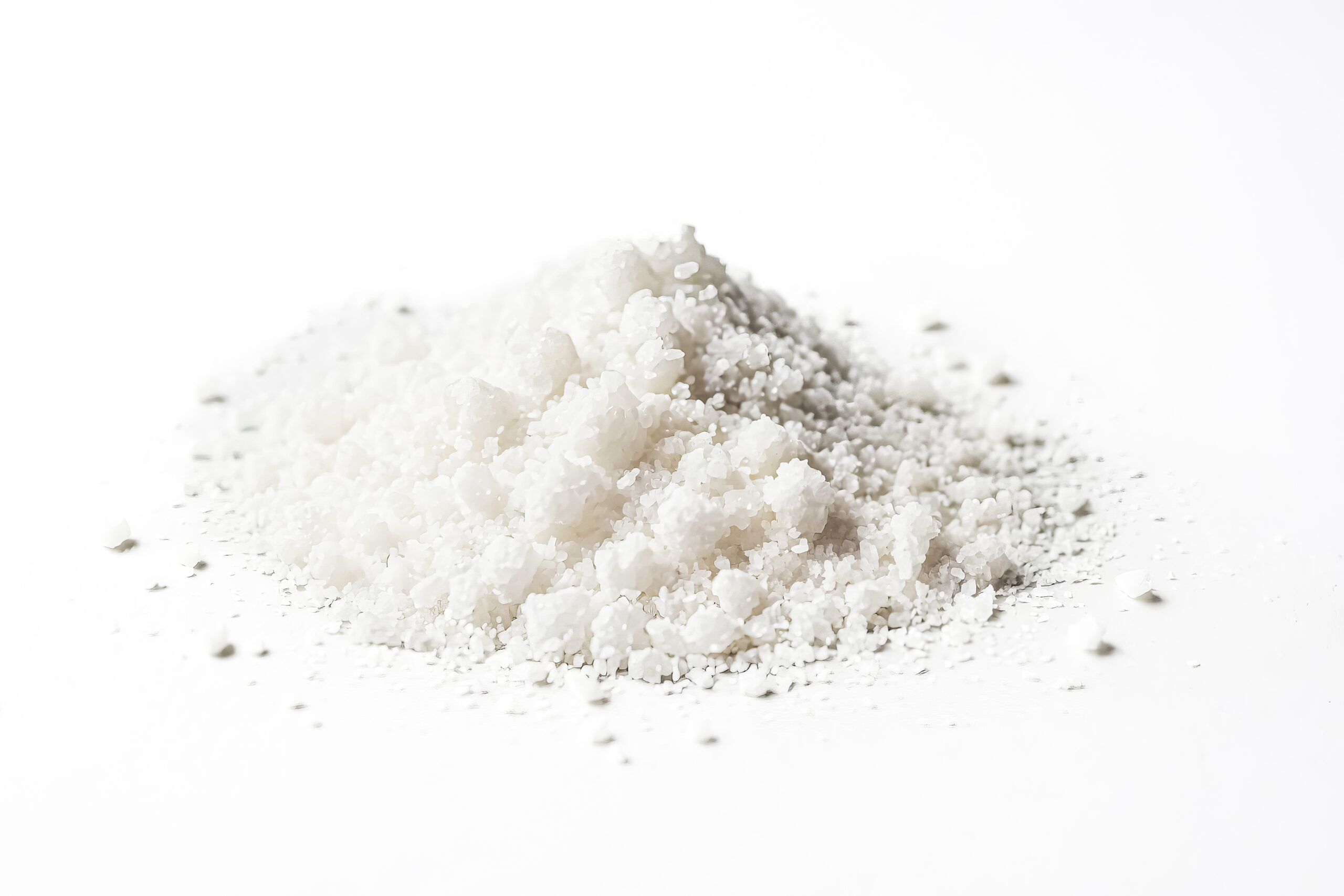
Fatty Amine Ethoxylate Supplier, Exporter & Global Wholesaler
Searching for a dependable Fatty Amine Ethoxylate supplier or exporter? You are exactly where you need to be.
PAU Chemicals is an India-based global supplier and exporter of Fatty Amine Ethoxylates across the 2EO to 15EO range, for agrochemical, textile, mining and antistatic applications.
Fatty Amine Ethoxylates are cationic to weakly cationic surfactants made by ethoxylating fatty amines. Their defining property is substantivity — they adsorb strongly onto negatively charged surfaces such as fibres, soil, leaves and mineral ores.
PAU Chemicals supplies coco- and tallow-based grades from 2EO to 15EO, so formulators can tune between oil solubility and water dispersibility for the surface they need to modify.
Do not combine these with anionic surfactants in the same phase without testing. Cationic and anionic surfactants precipitate each other, and the result is a curdled, ineffective batch.
Technical Specifications
|
Product Characteristics |
Product Details |
|
Product Name |
Fatty Amine Ethoxylate |
|
Chemical Type |
Cationic / weakly cationic surfactant |
|
HS Code |
3402 13 00 |
|
Base Amines |
Coco amine, tallow amine |
|
Grades Available |
2EO, 5EO, 8EO, 10EO, 15EO |
|
Appearance |
Pale yellow to amber liquid or soft paste |
|
Active Matter |
98% min |
|
Amine Value |
Stated per grade |
|
Water Content |
1.0% max |
|
pH (1% solution) |
9.0 – 11.0 |
|
Cloud Point |
Stated per grade |
|
Colour (Gardner) |
5 max |
|
Ionic Nature |
Cationic |
|
Storage |
Cool, dry, sealed |
|
Shelf Life |
12 months in sealed packing |
Available Grades
-
Coco amine ethoxylate (2EO–15EO)
-
Tallow amine ethoxylate (2EO–15EO)
Export Details
-
Minimum Order Quantity: 1 FCL
-
Country of Origin: India
-
Mode of Transportation: By Sea
-
Loading Ports: Hazira (Surat, Gujarat) & Nhava Sheva / JNPT (Navi Mumbai)
-
Shipping: FCL
-
Incoterms: EXW, FOB, C&F (CFR) & CIF
-
Payment Terms: TT / Bank Transfer & LC at Sight
-
Delivery Time: 3 to 4 weeks
-
Logistics Packaging: 200/220 kg HDPE
-
Dangerous Goods: Classification varies by grade — confirm at enquiry; some grades carry environmental hazard labelling
-
Documentation: Invoice, Packing List, Bill of Lading, COA, MSDS & Certificate of Origin
Certifications





Industrial Applications
-
Agrochemical adjuvants and herbicide formulations
-
Textile softening, dyeing and antistatic finishes
-
Mineral ore flotation and mining reagents
-
Fertiliser anti-caking treatment
-
Asphalt emulsification and road construction
-
Corrosion inhibitors and oilfield chemicals
-
Antistatic agents for plastics and fibres
-
Acid pickling and metal treatment
Why Choose PAU Chemicals
-
Genuine Direct Supply — straight to the importer with no hidden intermediaries
-
Ethical Sourcing — ensuring 100% transparent and compliant procurement
-
Stable, Consistent Quality — for uninterrupted production and consistent amine value within grade
-
Competitive Pricing — offering strong commercial value for bulk buyers
-
Flawless Documentation — handling all trade paperwork for smooth port clearance
-
Preferential Tariff Support — leveraging trade agreements to reduce your import duties
What are Fatty Amine Ethoxylates, and what are they called locally?
They are cationic surfactants made by ethoxylating fatty amines, usually called amine ethoxylates, and identified by base and EO number — coco amine 5EO, tallow amine 15EO and so on.
What is it used for?
Agrochemical adjuvants, textile softening and antistatic finishes, mineral flotation, fertiliser anti-caking, asphalt emulsification and corrosion inhibition.
Why are they used in herbicide formulations?
Their substantivity helps the spray wet and adhere to the leaf surface and improves uptake of the active. Permitted adjuvant systems differ by market, so confirm the local position.
Can I mix them with anionic surfactants?
Not without testing. Cationic and anionic surfactants precipitate each other, which curdles the batch. Keep them in separate phases or use compatible nonionic co-surfactants.
Which grade should I choose?
Lower EO grades are more oil-soluble and suit organic systems; higher EO grades disperse better in water. Match the grade to your carrier and target surface.
How should they be stored, and what is the shelf life?
Sealed, cool and dry. Some grades thicken or solidify in cold storage and need gentle warming. Around 12 months.
Are they hazardous to handle?
Classification varies by grade, and some carry environmental hazard labelling. Confirm the classification for your specific grade at enquiry and read the MSDS before handling.
Which ports and Incoterms do you ship on, and how long does delivery take?
Hazira and Nhava Sheva on EXW, FOB, C&F and CIF terms, typically 3 to 4 weeks. Export MOQ is 1 FCL.
Frequently Asked Questions
Product Inquiry