Poly Ethylene Glycol (PEG) Supplier, Exporter & Global Wholesaler
PAU Chemicals is an India-based global supplier and exporter of Poly Ethylene Glycol from PEG 200 to PEG 6000, in IP, BP, USP and technical grades, for pharmaceutical, cosmetic and industrial buyers.
Poly Ethylene Glycol is supplied as a graded series, and the grade number is the whole story: it is the approximate molecular weight, and it determines whether the product is a mobile liquid, a soft paste or a hard waxy solid.
PAU Chemicals supplies the full working range with hydroxyl value, molecular weight and moisture documented per batch, plus pharmacopoeial grades with ethylene glycol and diethylene glycol limit testing.
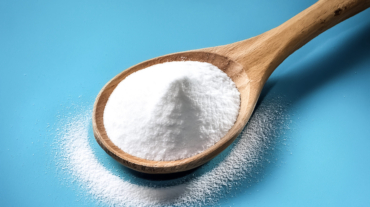
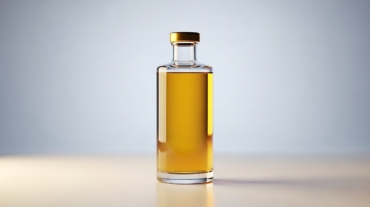
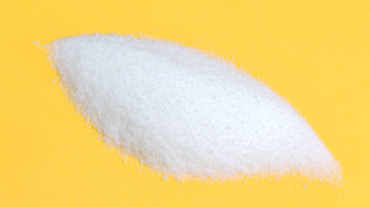
PEG grade selection is physical, not chemical. PEG 400 is a mobile liquid, PEG 1500 a soft paste, PEG 4000 and 6000 hard flakes. Choose on the physical form your process needs, then check solubility.
Technical Specifications
Product Characteristics | Product Details |
Product Name | Poly Ethylene Glycol (PEG) |
Chemical Formula | H(OCH₂CH₂)ₙOH |
CAS Number | 25322-68-3 |
HS Code | 3907 20 00 |
Grades Available | PEG 200, 400, 600, 1000, 1500, 4000, 6000 |
Appearance (PEG 200–600) | Clear, colourless viscous liquid |
Appearance (PEG 1000–1500) | Soft white paste |
Appearance (PEG 4000–6000) | White flakes or powder |
Odour | Odourless to faint |
Average Molecular Weight | Per grade, ± tolerance |
Hydroxyl Value | Stated per grade |
Moisture | 0.5% max |
pH (5% solution) | 4.5 – 7.5 |
Sulphated Ash | 0.1% max |
Heavy Metals (as Pb) | 5 ppm max |
Ethylene Glycol & Diethylene Glycol | Complies with monograph (pharma grades) |
Solubility | Soluble in water and many organic solvents |
Storage | Sealed, cool, dry |
Reference Standard | IP / BP / USP-NF (pharma grades) |
Available Grades
PEG 200 / 400 / 600 / 4000 / 6000
IP/BP/USP grades
Export Details
Minimum Order Quantity: 1 FCL
Country of Origin: India
Mode of Transportation: By Sea
Loading Ports: Hazira (Surat, Gujarat) & Nhava Sheva / JNPT (Navi Mumbai)
Shipping: FCL
Incoterms: EXW, FOB, C&F (CFR) & CIF
Payment Terms: TT / Bank Transfer & LC at Sight
Delivery Time: 3 to 4 weeks
Logistics Packaging: Liquid: 220/230 kg drums
Dangerous Goods: Not classified as dangerous goods for transport
Documentation: Invoice, Packing List, Bill of Lading, COA, MSDS & Certificate of Origin
Certifications



Applications
Tablet binders, coatings and suppository bases
Ointments, creams and topical vehicles
Cosmetics, toothpaste and personal care
Laxative and bowel preparation formulations
Textile lubricants and antistatic agents
Ceramic and metal processing binders
Paints, inks and coating additives
Rubber and plastic processing aids
Why Choose PAU Chemicals
Genuine Direct Supply — straight to the importer with no hidden intermediaries
Ethical Sourcing — ensuring 100% transparent and compliant procurement
Stable, Consistent Quality — for uninterrupted production and consistent molecular weight within grade tolerance
Competitive Pricing — offering strong commercial value for bulk FCL buyers
Flawless Documentation — handling all trade paperwork for smooth port clearance
Preferential Tariff Support — leveraging trade agreements to reduce your import duties
What is PEG, and what is it called locally?
It is Poly Ethylene Glycol, also called macrogol in pharmacopoeial usage. Trade identifies grades by number — PEG 400, PEG 6000 and so on.
What is it used for?
Pharmaceutical tablet coatings, ointment and suppository bases, laxatives, cosmetics and toothpaste, textile lubricants, ceramic binders and coating additives.
What does the grade number mean?
It is the approximate average molecular weight, which determines physical form. PEG 200 to 600 are liquids, 1000 to 1500 pastes, and 4000 to 6000 solid flakes.
Which grade should I choose?
Start from the physical form your process needs — liquid, paste or solid — then check solubility and melting point. The chemistry is consistent across the range.
Is PEG safe in pharmaceuticals?
Pharmacopoeial grades are widely used in oral, topical and suppository products, with ethylene glycol and diethylene glycol limit testing on every batch. Verify this test on the COA before release.
Do you supply pharmacopoeial grade?
Yes, to IP, BP and USP, documented separately from technical grades.
How should it be stored, and what is the shelf life?
Sealed, cool and dry. Liquid grades are hygroscopic and absorb moisture; solid grades block in warm storage. Keep containers closed between uses.
Which ports and Incoterms do you ship on, and how long does delivery take?
Hazira and Nhava Sheva on EXW, FOB, C&F and CIF terms, typically 3 to 4 weeks, shipping as general cargo. Export MOQ is 1 FCL.
Frequently Asked Questions
Product Inquiry