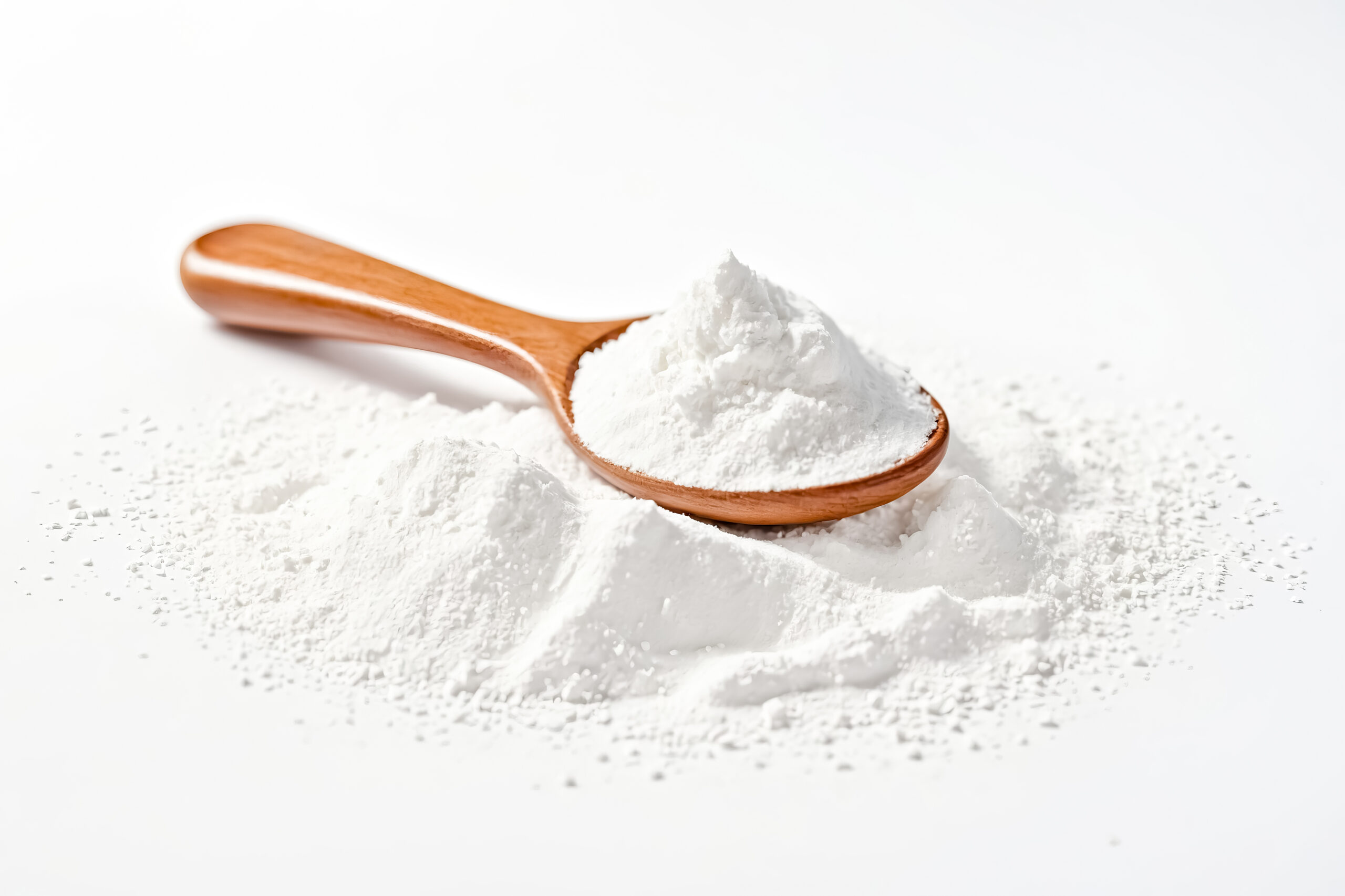
Sodium Benzoate Supplier, Exporter & Global Wholesaler
PAU Chemicals is an India-based global supplier and exporter of Sodium Benzoate (E211) at 99% minimum, in FCC and BP grades, for beverage, food and pharmaceutical manufacturers worldwide.
Sodium Benzoate is the most widely used preservative in acidic foods and beverages. It is highly soluble, inexpensive and effective against yeasts and moulds — but only below pH 4.5, which is the single most important thing to know about it.
PAU Chemicals supplies FCC and BP grade in powder and granular form, with assay, moisture and heavy metals documented per batch.
Sodium benzoate does nothing above pH 4.5 — it needs acid to convert into the active benzoic acid form. If your product sits above that pH, the preservative on your label is not protecting it.
Technical Specifications
Product Characteristics | Product Details |
Product Name | Sodium Benzoate |
Chemical Formula | C₆H₅COONa |
CAS Number | 532-32-1 |
HS Code | 2916 31 20 |
E / INS Number | E211 |
Molecular Weight | 144.11 g/mol |
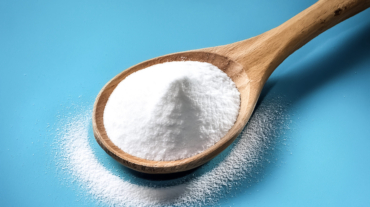
Appearance | White powder or granules |
Odour | Odourless |
Assay (dried basis) | 99.0 – 100.5% |
Loss on Drying | 1.5% max |
Acidity / Alkalinity | Complies |
Chloride | 0.03% max |
Sulphate | 0.1% max |
Heavy Metals (as Pb) | 10 ppm max |
Arsenic (As) | 3 ppm max |
Total Chlorine | 0.03% max |
pH (1% solution) | 7.5 – 8.5 |
Solubility in Water | Freely soluble (approx. 63 g/100 ml) |
Effective pH Range | Below 4.5 |
Storage | Sealed, cool, dry |
Reference Standard | FCC / BP / E211 |
Available Grades
FCC food grade
BP pharmaceutical grade
Export Details
Minimum Order Quantity: 1 FCL
Country of Origin: India
Mode of Transportation: By Sea
Loading Ports: Hazira (Surat, Gujarat) & Nhava Sheva / JNPT (Navi Mumbai)
Shipping: FCL
Incoterms: EXW, FOB, C&F (CFR) & CIF
Payment Terms: TT / Bank Transfer & LC at Sight
Delivery Time: 3 to 4 weeks
Logistics Packaging: 25 kg HDPE/PP bags with LDPE liner
Dangerous Goods: Not classified as dangerous goods for transport
Documentation: Invoice, Packing List, Bill of Lading, COA, MSDS & Certificate of Origin
Certifications




Applications
Carbonated soft drinks and fruit juices
Pickles, chutneys and acidified vegetables
Sauces, ketchup and salad dressings
Jams, jellies and fruit preparations
Syrups, cordials and squashes
Fruit pulp and concentrate preservation
Pharmaceutical syrups and oral liquids
Cosmetics and personal care preservation
Corrosion inhibitor in coolants and antifreeze
Tobacco and industrial formulations
Why Choose PAU Chemicals
Genuine Direct Supply — straight to the importer with no hidden intermediaries
Ethical Sourcing — ensuring 100% transparent and compliant procurement
Stable, Consistent Quality — for uninterrupted production and reliable 99% minimum assay
Competitive Pricing — offering strong commercial value for bulk FCL buyers
Flawless Documentation — handling all trade paperwork for smooth port clearance
Preferential Tariff Support — leveraging trade agreements to reduce your import duties
What is Sodium Benzoate, and what is it called locally?
It is the sodium salt of benzoic acid, listed as E211 and usually called sodium benzoate or simply benzoate in the trade.
What is it used for?
Preserving soft drinks, juices, pickles, sauces, jams and syrups, plus pharmaceutical oral liquids and cosmetics.
Why does it only work in acidic products?
It must convert to benzoic acid to be active, which happens below pH 4.5. Above that pH it is effectively inert, whatever the dosage.
How much should I use?
Typically 0.05 to 0.1% depending on the product and pH, and within the maximum permitted in your destination market. Confirm the local limit before finalising.
Can it be used with potassium sorbate?
Yes, and the combination is common. Benzoate is stronger against yeasts, sorbate against moulds, and together they extend the effective pH range and reduce the dose of each.
What about benzene formation with vitamin C?
Benzoate combined with ascorbic acid can form trace benzene under heat and light. Formulators managing both should control storage conditions and consider chelators — seek formulation advice if your product contains both.
How should it be stored, and what is the shelf life?
Sealed, lined bags in a cool, dry place. It is mildly hygroscopic and cakes in humid storage.
Which ports and Incoterms do you ship on, and how long does delivery take?
Hazira and Nhava Sheva on EXW, FOB, C&F and CIF terms, typically 3 to 4 weeks, shipping as general cargo. Export MOQ is 1 FCL.
Frequently Asked Questions
Product Inquiry