Glycerol Monostearate (GMS) Supplier, Exporter & Global Wholesaler
PAU Chemicals is an India-based global supplier and exporter of Glycerol Monostearate (GMS) in 40% and 90% monoester grades, for bakery, dairy, confectionery and cosmetic manufacturers.
Glycerol Monostearate is the most widely used food emulsifier in the world. In bakery it complexes with starch to slow staling; in ice cream it controls fat destabilisation and overrun; in cosmetics it stabilises the emulsion and builds body.
PAU Chemicals supplies both the 40% distilled-blend grade and the 90% distilled monoester grade, since the two behave quite differently and the choice materially affects performance.
For anti-staling in bread, the 90% distilled grade is worth the premium — it is the alpha-monoglyceride fraction that complexes with starch, so a 40% grade delivers less than half the functional dose per kilogram.
Technical Specifications
Product Characteristics | Product Details |
Product Name | Glycerol Monostearate (GMS) |
Chemical Name | Glyceryl Monostearate |
CAS Number | 31566-31-1 |
HS Code | 2915 70 00 |
E / INS Number | E471 |
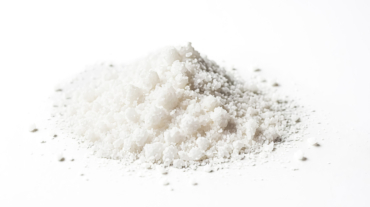
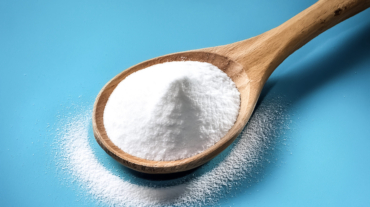
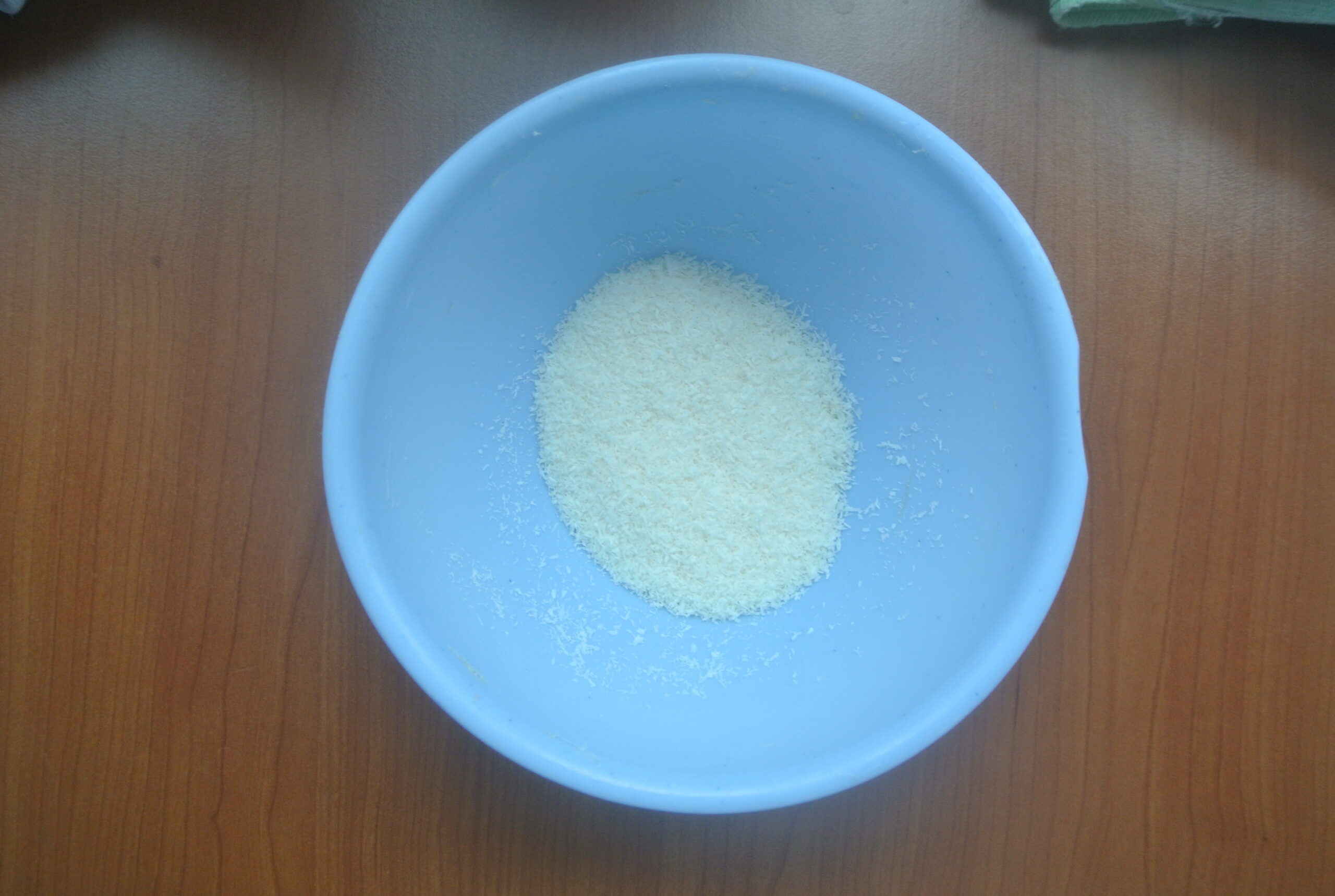
Appearance | White to cream flakes, beads or powder |
Odour | Faint, fatty |
Monoester Content (GMS 90) | 90% min |
Monoester Content (GMS 40) | 40 – 48% |
Free Glycerol | 1.0% max |
Acid Value | 3.0 max |
Iodine Value | 2.0 max |
Melting Point | 58 – 62 °C |
Moisture | 1.0% max |
Sulphated Ash | 0.5% max |
Heavy Metals (as Pb) | 5 ppm max |
HLB Value | Approx. 3.8 |
Storage | Cool, dry, below 30 °C |
Reference Standard | FCC / E471 |
Available Grades
Flakes, beads and powder
Export Details
Minimum Order Quantity: 1 FCL
Country of Origin: India
Mode of Transportation: By Sea
Loading Ports: Hazira (Surat, Gujarat) & Nhava Sheva / JNPT (Navi Mumbai)
Shipping: FCL
Incoterms: EXW, FOB, C&F (CFR) & CIF
Payment Terms: TT / Bank Transfer & LC at Sight
Delivery Time: 3 to 4 weeks
Logistics Packaging: 25 kg HDPE/PP bags with liner, or fibre drums
Dangerous Goods: Not classified as dangerous goods for transport
Documentation: Invoice, Packing List, Bill of Lading, COA, MSDS & Certificate of Origin
Certifications





Food & Beverage Applications
Bread and bakery anti-staling and crumb softening
Cakes, sponges and whipping emulsifier
Ice cream and frozen dessert stabilisation
Margarine, spreads and shortenings
Chocolate and confectionery viscosity control
Non-dairy creamers and whipped toppings
Instant noodles and starch products
Peanut butter and spread stabilisation
Industrial & Technical Applications
Creams, lotions and cosmetic emulsions
Pharmaceutical ointment and suppository bases
Plastics processing as antistatic and anti-fog agent
Textile and industrial lubricants
Why Choose PAU Chemicals
Genuine Direct Supply — straight to the importer with no hidden intermediaries
Ethical Sourcing — ensuring 100% transparent and compliant procurement
Stable, Consistent Quality — for uninterrupted production and reliable 90% minimum monoester content
Competitive Pricing — offering strong commercial value for bulk FCL buyers
Flawless Documentation — handling all trade paperwork for smooth port clearance
Preferential Tariff Support — leveraging trade agreements to reduce your import duties
What is GMS, and what is it called locally?
It is Glycerol Monostearate, listed as E471 and commonly called GMS or simply the emulsifier in bakery and dairy production.
What is it used for?
Anti-staling and crumb softening in bread, aeration in cakes, stabilisation in ice cream, viscosity control in chocolate, and emulsification in creams and lotions.
What is the difference between GMS 40 and GMS 90?
The number is the monoester content. GMS 90 is distilled and delivers far more functional alpha-monoglyceride per kilogram; GMS 40 is a blend and costs less but works less hard.
Which grade should I use for bread?
GMS 90 for anti-staling, because the monoester fraction is what complexes with starch. GMS 40 is often adequate for general emulsification where staling is not the target.
How should it be added to the process?
Hydrate or melt it into the fat phase rather than adding it dry to the dough, so it disperses properly. Poor dispersion is the usual cause of underperformance.
How should it be stored, and what is the shelf life?
Sealed, cool and dry below 30 °C. It blocks and clumps in hot storage, which affects handling but not function.
Do you supply for both food and cosmetic use?
Yes. Food grade meets FCC and E471 requirements with batch documentation; grades for cosmetic and industrial use should be specified at enquiry.
Which ports and Incoterms do you ship on, and how long does delivery take?
Hazira and Nhava Sheva on EXW, FOB, C&F and CIF terms, typically 3 to 4 weeks. Export MOQ is 1 FCL.
Frequently Asked Questions
Product Inquiry