Aluminium Sulphate (Non-Ferric) Supplier, Exporter & Global Wholesaler
PAU Chemicals is an India-based global supplier and exporter of Non-Ferric Aluminium Sulphate at 17% minimum Al₂O₃, for potable water, paper, textile and effluent treatment buyers worldwide.
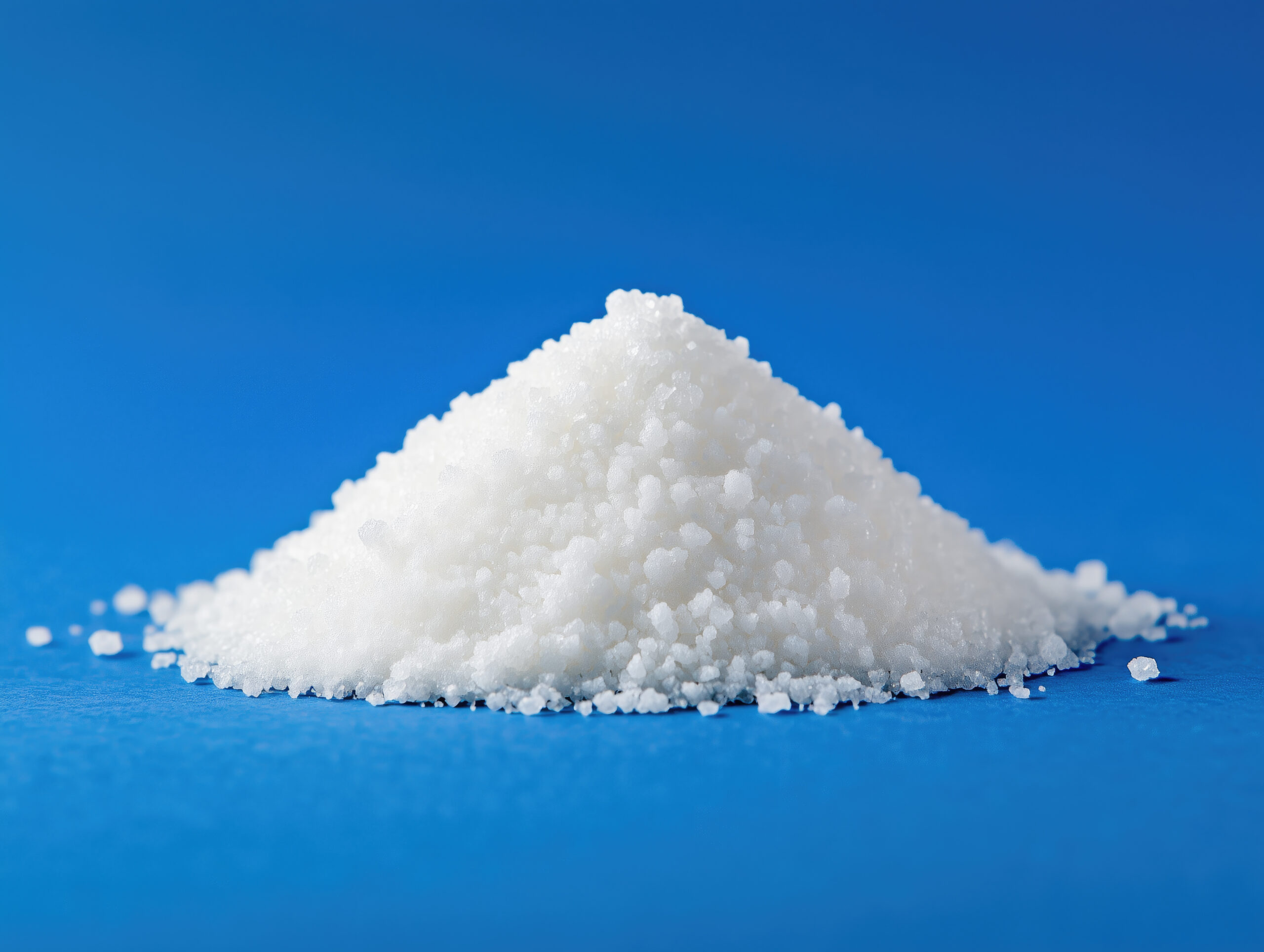
Aluminium Sulphate — commonly called alum — is the most widely used coagulant in water treatment. The non-ferric grade is made from high-purity alumina hydrate rather than bauxite, which keeps iron below 0.005% as Fe₂O₃.
That single distinction is what makes it suitable for potable water, paper and textiles, where even trace iron causes yellowing, staining or colour defects in the finished product.
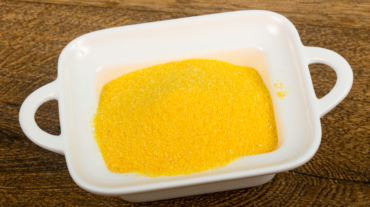
PAU Chemicals supplies slab, kibbled lump and powder forms with controlled free acid and low water-insoluble content, so dosing systems stay clean and dissolution is complete.
Pro Tip: Alum consumes alkalinity and pulls pH down. Where raw water alkalinity is low, plan for lime or soda ash supplementation — or evaluate Aluminium Chlorohydrate, which consumes far less.
Technical Specifications
Product Characteristics | Product Details |
Product Name | Aluminium Sulphate (Non-Ferric) |
Common Name | Non-Ferric Alum |
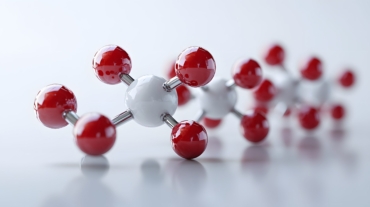
Chemical Formula | Al₂(SO₄)₃·xH₂O |
CAS Number | 10043-01-3 |
HS Code | 2833 22 00 |
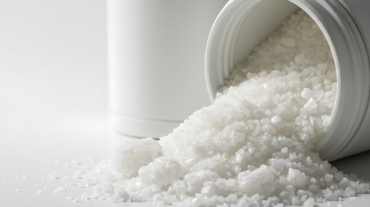
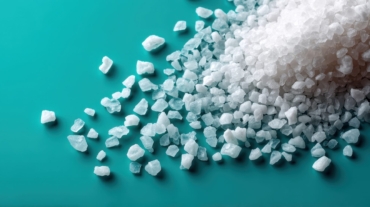
Appearance | White to off-white slabs, kibbled lumps or powder |
Alumina (Al₂O₃) | 17.0% min |
Iron (as Fe₂O₃) | 0.005% max (50 ppm) |
Free Acid (as H₂SO₄) | 0.5% max |
Water Insoluble Matter | 0.3% max |
pH (1% solution) | 2.5 – 3.5 |
Arsenic (As) | 2 ppm max |
Lead (Pb) | 5 ppm max |
Bulk Density (kibbled) | 1.0 – 1.2 g/cm³ |
Solubility | Readily soluble in water |
Storage | Dry, covered, on pallets |
Reference Standard | IS 260 : 2001 |
Available Grades
Slabs
Kibbled lumps
Powder
Export Details
Minimum Order Quantity: 1 FCL
Country of Origin: India
Mode of Transportation: By Sea
Loading Ports: Hazira (Surat, Gujarat) & Nhava Sheva / JNPT (Navi Mumbai)
Shipping: FCL
Incoterms: EXW, FOB, C&F (CFR) & CIF
Payment Terms: TT / Bank Transfer & LC at Sight
Delivery Time: 3 to 4 weeks
Logistics Packaging: 50 kg HDPE/PP laminated bags, 1,000/1,200 kg jumbo bags, or loose slabs
Dangerous Goods: Not classified as dangerous goods for transport in solid form
Documentation: Invoice, Packing List, Bill of Lading, COA, MSDS & Certificate of Origin
Certifications



Applications
Drinking water treatment — turbidity, colour and solids removal
Municipal and industrial wastewater coagulation
Phosphate removal and sludge dewatering
Paper rosin sizing, retention and pitch control
Textile mordanting in dyeing and printing
Leather tanning and retanning
Swimming pool clarification
Fire-fighting foam manufacture
Soil pH correction in agriculture
Why Choose PAU Chemicals
Genuine Direct Supply — straight to the importer with no hidden intermediaries
Ethical Sourcing — ensuring 100% transparent and compliant procurement
Stable, Consistent Quality — for uninterrupted production and reliable 17% minimum Al₂O₃ with iron below 50 ppm
Competitive Pricing — offering strong commercial value for bulk FCL buyers
Flawless Documentation — handling all trade paperwork for smooth port clearance
Preferential Tariff Support — leveraging trade agreements to reduce your import duties
What is Non-Ferric Alum, and what is it called locally?
It is aluminium sulphate made from alumina hydrate rather than bauxite, so its iron content is very low. Indian trade calls it non-ferric alum or simply alum; in local markets alum is often called phitkari, though that name usually refers to potash alum.
What is it used for?
Chiefly as a coagulant in drinking water and wastewater treatment. It is also used in paper sizing, textile mordanting, leather tanning, swimming pools and fire-fighting foams.
What is the difference between ferric and non-ferric alum?
Ferric alum is made from bauxite and carries higher iron, which is fine for general effluent work. Non-ferric alum keeps iron below 0.005%, which is required for potable water, paper and textiles where iron would stain or discolour.
Which form should I order — slab, kibbled or powder?
Kibbled lumps are the norm for saturator dosing at water treatment plants. Powder dissolves fastest and suits automated dosing. Slabs carry the lowest handling cost where dissolution is manual.
Will alum affect the treated water pH?
Yes. It consumes alkalinity and lowers pH, so lime or soda ash supplementation is often needed. Where alkalinity is limited, ACH is the more efficient alternative.
How should it be stored, and what is the shelf life?
Dry and covered, on pallets, in sealed bags. Around 12 months. Caking from moisture ingress does not affect assay but slows dissolution.
What packing sizes and minimum order quantity do you offer?
50 kg bags and 1,000/1,200 kg jumbo bags, or loose slabs. Export MOQ is 1 FCL.
Which ports and Incoterms do you ship on, and how long does delivery take?
We load from Hazira and Nhava Sheva on EXW, FOB, C&F and CIF terms, typically 3 to 4 weeks. Solid alum ships as general cargo.
Frequently Asked Questions
Product Inquiry