Peracetic Acid (PAA) Supplier, Exporter & Global Wholesaler
Searching for a dependable Peracetic Acid supplier or exporter? You are exactly where you need to be.
PAU Chemicals is an India-based global supplier and exporter of stabilised Peracetic Acid at 15% and 23%, for food and beverage plants, water treatment and sterilisation applications worldwide.
Peracetic Acid is the sanitiser that food plants turn to when chlorine will not do. It kills bacteria, yeasts, moulds, viruses and spores rapidly, works in cold water and in the presence of organic load, and breaks down into acetic acid, water and oxygen — leaving no harmful residue.
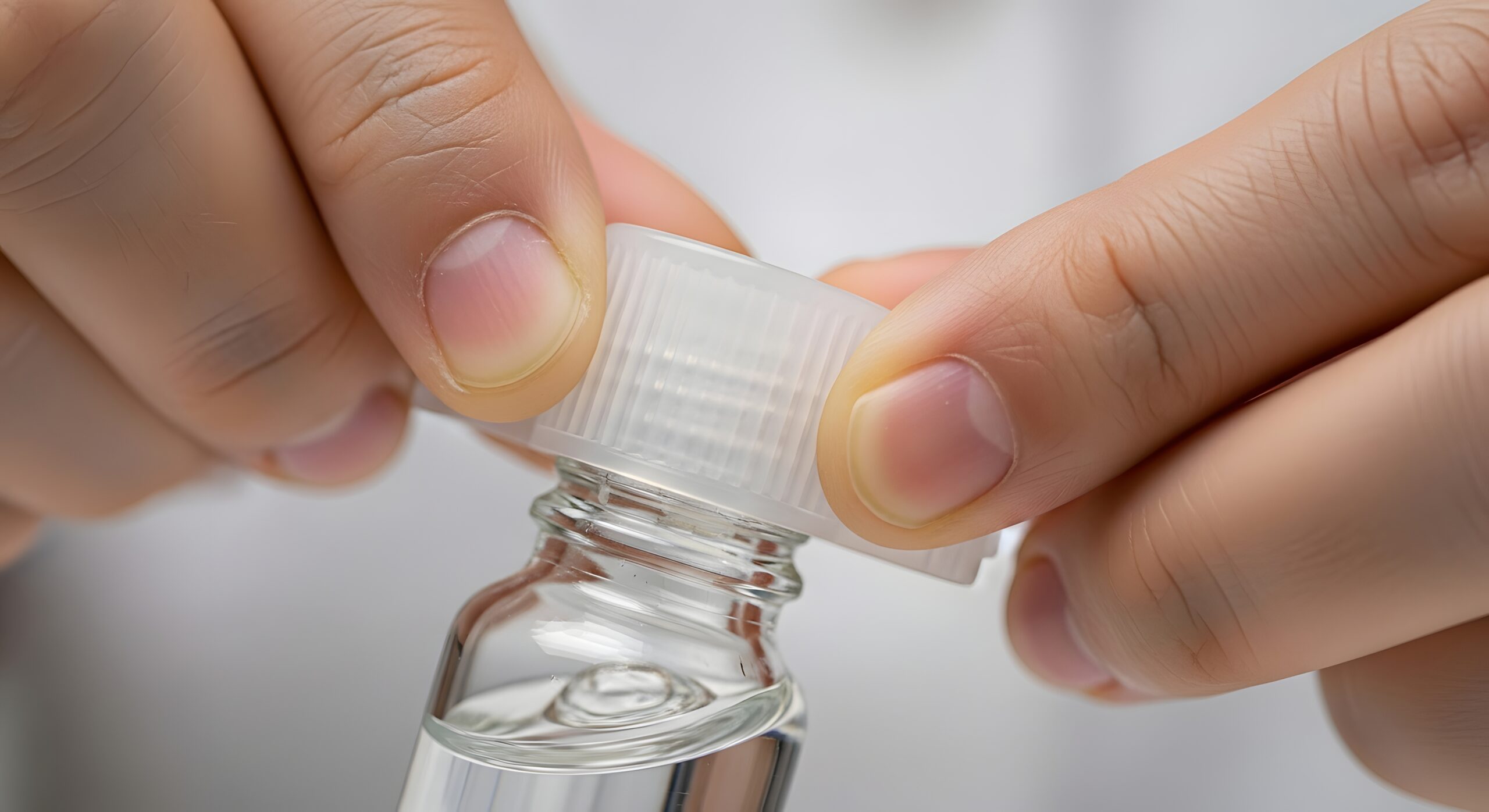
PAU Chemicals supplies stabilised 15% and 23% grades in vented HDPE containers designed for organic peroxide transport, with assay, hydrogen peroxide content and stability documented per batch.
Never mix peracetic acid with alkaline cleaners, and never seal it in an unvented container. Both mistakes are common on new sites and both are dangerous — alkali triggers rapid decomposition, and sealed containers pressurise and rupture.
Technical Specifications
|
Product Characteristics |
Product Details |
|
Product Name |
Peracetic Acid (PAA) |
|
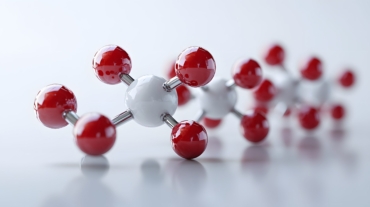
Chemical Formula |
CH₃CO₃H |
|
CAS Number |
79-21-0 |
|
HS Code |
2915 90 90 |
|
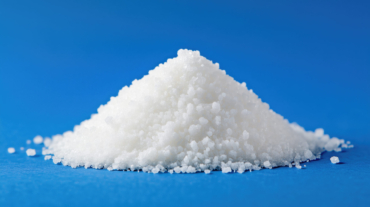
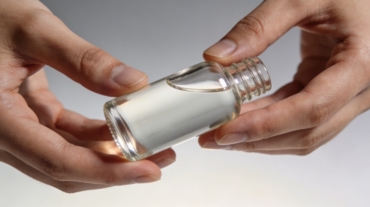
Appearance |
Clear, colourless liquid |
|
Odour |
Sharp, pungent, acrid |
|
Peracetic Acid Content |
15% or 23% w/w |
|
Hydrogen Peroxide Content |
Stated per grade |
|
Acetic Acid Content |
Stated per grade |
|
Active Oxygen |
Stated per grade |
|
Specific Gravity @ 20 °C |
1.10 – 1.14 |
|
pH (1% solution) |
2.0 – 3.0 |
|
Stability |
Stabilised formulation |
|
Freezing Point |
Below −30 °C |
|
Decomposition Products |
Acetic acid, water and oxygen |
|
Storage |
Below 30 °C, vented, dark, ventilated |
|
Shelf Life |
6 – 12 months, grade dependent |
Available Grades
-
PAA 15% stabilised
-
PAA 23% stabilised
-
Food-contact grade on request
Export Details
-
Minimum Order Quantity: 1 FCL
-
Country of Origin: India
-
Mode of Transportation: By Sea
-
Loading Ports: Hazira (Surat, Gujarat) & Nhava Sheva / JNPT (Navi Mumbai)
-
Shipping: FCL
-
Incoterms: EXW, FOB, C&F (CFR) & CIF
-
Payment Terms: TT / Bank Transfer & LC at Sight
-
Delivery Time: 3 to 4 weeks
-
Logistics Packaging: 25/30 kg vented HDPE carboys
-
Dangerous Goods: UN 3109, Class 5.2 (Organic Peroxide Type F) with corrosive subsidiary risk - temperature-controlled and vented UN-approved packing; confirm carrier acceptance at booking
-
Documentation: Invoice, Packing List, Bill of Lading, COA, MSDS, Certificate of Origin & DG Declaration
Certifications




Food & Beverage Applications
-
CIP sanitation in dairy, brewery and beverage plants
-
Food contact surface and equipment disinfection
-
Fruit and vegetable wash water sanitation
-
Bottle, keg and tank sterilisation
-
Poultry and meat processing chill water treatment (where permitted)
-
Aseptic filling line sanitation
Industrial & Technical Applications
-
Municipal and industrial wastewater disinfection
-
Cooling tower biofilm control
-
Hospital and cleanroom sterilisation
-
Pulp and paper bleaching
-
Aquaculture water treatment
-
Agricultural irrigation line sanitation
Why Choose PAU Chemicals
-
Genuine Direct Supply — straight to the importer with no hidden intermediaries
-
Ethical Sourcing — ensuring 100% transparent and compliant procurement
-
Stable, Consistent Quality — for uninterrupted production and reliable 15% or 23% concentration
-
Competitive Pricing — offering strong commercial value for bulk FCL buyers
-
Flawless Documentation — handling all trade paperwork for smooth port clearance
-
Preferential Tariff Support — leveraging trade agreements to reduce your import duties
What is Peracetic Acid, and what is it called locally?
It is an equilibrium mixture of peracetic acid, hydrogen peroxide, acetic acid and water, called PAA or peroxyacetic acid in trade.
What is it used for?
CIP sanitation in dairy, brewery and beverage plants, food contact surface disinfection, produce wash water, wastewater disinfection and cleanroom sterilisation.
Why choose it over chlorine sanitisers?
It works in cold water and in the presence of organic load, kills spores as well as bacteria, and breaks down into acetic acid, water and oxygen — leaving no chlorinated by-products.
Should I use the 15% or 23% grade?
The 23% grade is more concentrated and reduces freight per unit of active. The 15% grade is easier and safer to handle and dose. Match it to your dosing equipment and site handling capability.
What must never be mixed with it?
Alkaline cleaners, reducing agents and metals. Alkali triggers rapid decomposition. Always rinse thoroughly between a caustic wash and a PAA sanitising step.
Why must containers be vented?
It decomposes continuously, releasing oxygen. A sealed container pressurises and can rupture, so vented closures and cool, ventilated storage are mandatory.
Is it hazardous to handle?
Yes, seriously so. It is classified as an organic peroxide with corrosive subsidiary risk, causes severe burns and its vapour is intensely irritating. Full PPE, ventilation and dedicated equipment are essential.
How is DG shipping handled, and does it affect delivery time?
It ships as UN 3109, Class 5.2, often requiring temperature-controlled and vented UN-approved packing. Carrier acceptance must be confirmed at booking, and lead times run longer than for general cargo.
Frequently Asked Questions
Product Inquiry